
Customer experience should do more than improve satisfaction. It should protect growth.
I’m Daudi Mugabi. I help leaders see where customer experience, operations and commercial performance stop agreeing, and what those gaps may be costing the business.

Good customer reports can still hide customer loss.
Many organisations collect more customer data than ever. The problem is not always a lack of information. It is knowing what the information is failing to reveal.
My work focuses on the gaps between what dashboards report, what customers experience and what the business eventually loses. I help leaders turn those gaps into clearer decisions.
Marketing introduces you to someone. Customer experience makes them your friend.
Conversations that make customer experience commercially relevant.
I speak to leadership teams, professional communities and conference audiences about the customer issues that often remain hidden behind apparently healthy reports.
The customer leaks hiding in plain sight
How strong customer reports can coexist with lost customers, revenue and future value.
The leadership decisions customers feel
How priorities, incentives, approvals and internal structures eventually become part of the customer experience.
When small service failures become growth problems
How delays, handovers and broken promises affect trust, retention and commercial performance.
Customer experience conversations in different rooms.
Panels, conferences, roundtables and professional gatherings have given me the opportunity to exchange ideas with leaders and practitioners from across Africa and beyond.

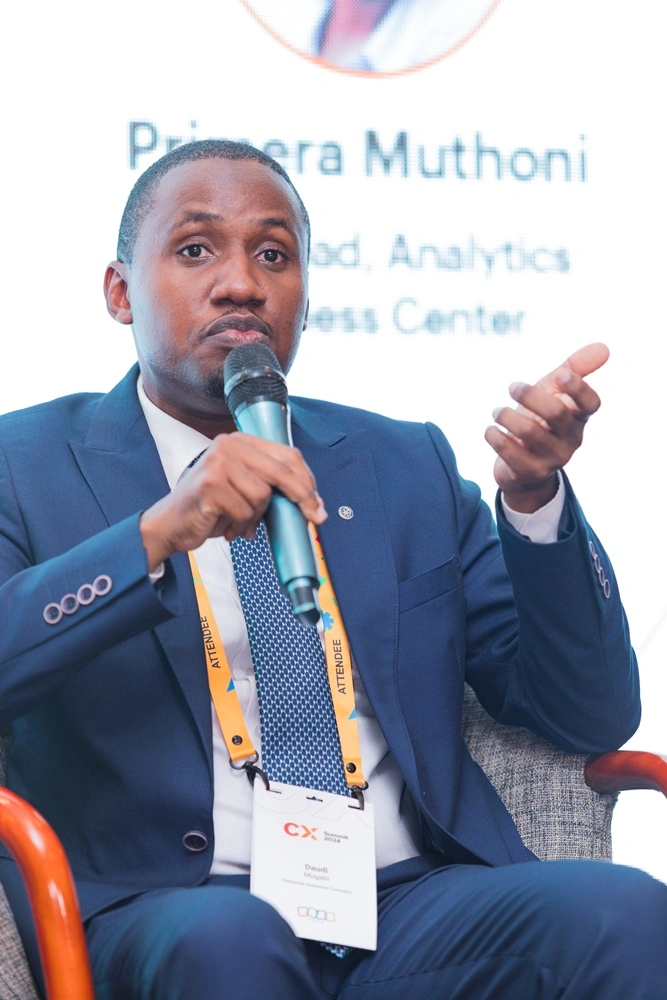
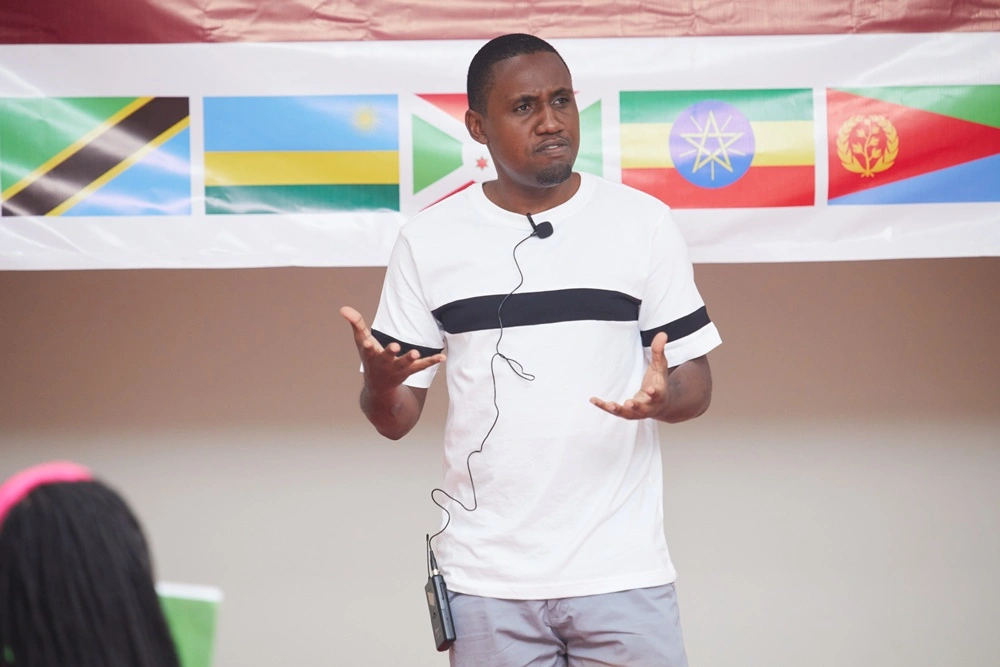

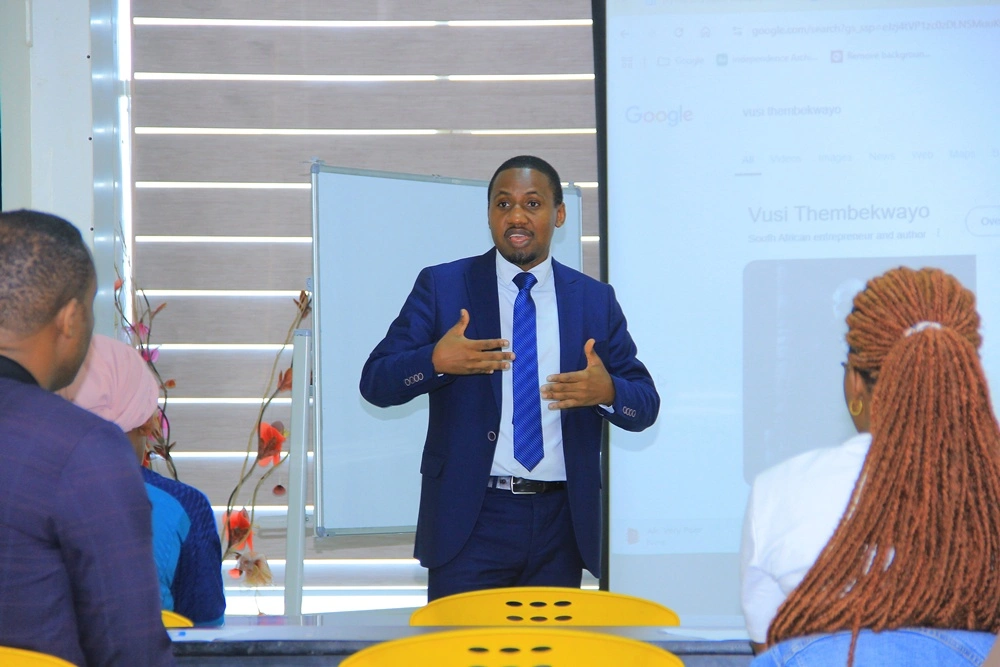
Trusted to contribute to customer and leadership conversations.
I have spoken and facilitated across a wide range of industries and sectors, helping audiences connect customer experience to leadership, growth and organisational performance.


A perspective shaped across customers, operations and communication.
My perspective draws from experience in information technology, customer service, marketing, advertising, business operations and customer experience.
Years of professional experience
Across information technology, customer service, marketing, advertising, operations and customer experience.
Conversations with business leaders
More than a decade engaging industry leaders and practitioners across markets on business, customers, growth and organisational performance.
Customer Leak Lab
A specialist platform focused on customer leakage and commercial exposure.
CX industry leadership
Board Member at the Customer Institute and founding member of the Customer Experience Association of Uganda.
Customer Leak Lab
I founded Customer Leak Lab because customer experience teams were often being asked the same difficult question: how does this work make money? The answer was usually present in the evidence, but not always expressed in a way decision-makers could act on.
The platform helps organisations identify where customer experience signals, operational realities and commercial outcomes stop agreeing.
Visit Customer Leak Lab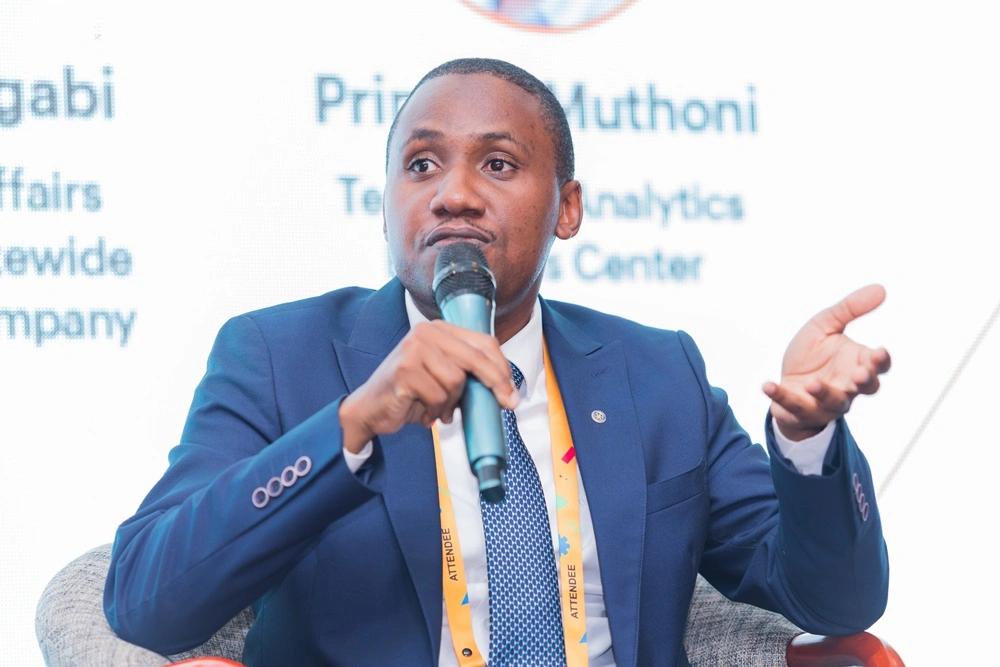
Bring a more commercially grounded customer experience conversation into the room.
I am available for selected keynotes, leadership sessions, panels and consulting conversations focused on customer experience, customer leakage and commercial performance.